
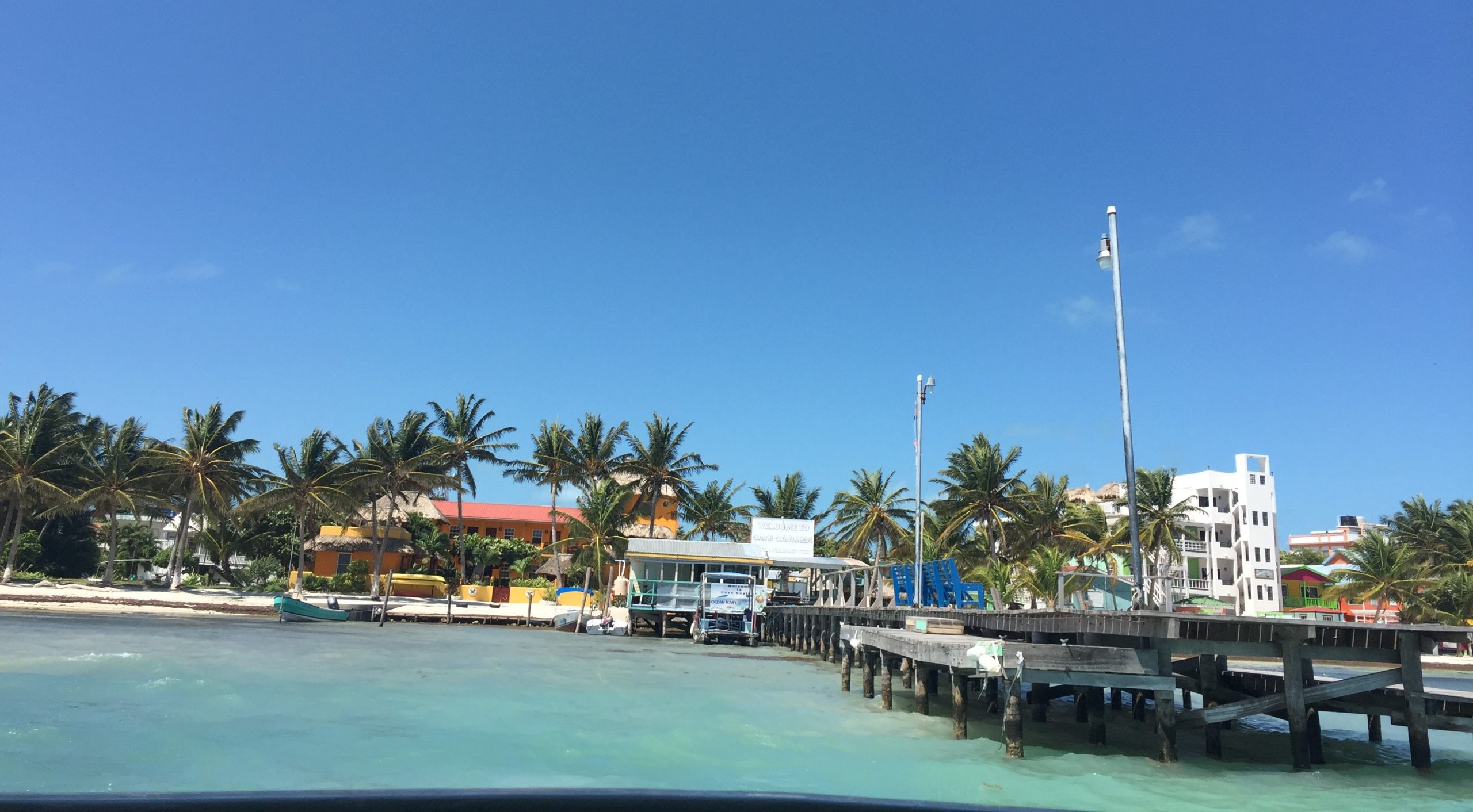
In August 2018, my husband and I relocated from Australia to Placencia, Belize, as part of a lifestyle change. We had planned to stay in Belize indefinitely, but unforeseen circumstances necessitated our return to Australia in March 2019. So, while our brief relocation to Belize was an expensive social experiment, we learned a lot, both about ourselves and the processes required for relocating internationally.
I’m writing this article to deliver a snapshot of our experiences living in a tropical Caribbean location for those considering Belize as either a freedom destination or a retirement location. In 2020, we moved abroad again, from Australia to Mexico, where we stayed for almost three years. That was quite a different experience from our Belize adventure.
Before moving there in July 2018, we took an earlier trip in February that same year to assess whether Belize was a sensible choice for us. After living there for six months, we concluded that Belize was not the right choice for us at that particular time. In this article, I’ll walk you through our experiences living there. I also outline some of the pros and cons of Placencia, Belize, as a lifestyle destination for digital nomads.
Why we chose Placencia, Belize
In February 2018, we made an initial reconnaissance trip to Belize. On that scouting expedition, we travelled around the country meeting with locals to determine where we’d want to settle. We met local real estate agents and expats through Belize Facebook pages to get a realistic sense of what life was like there.
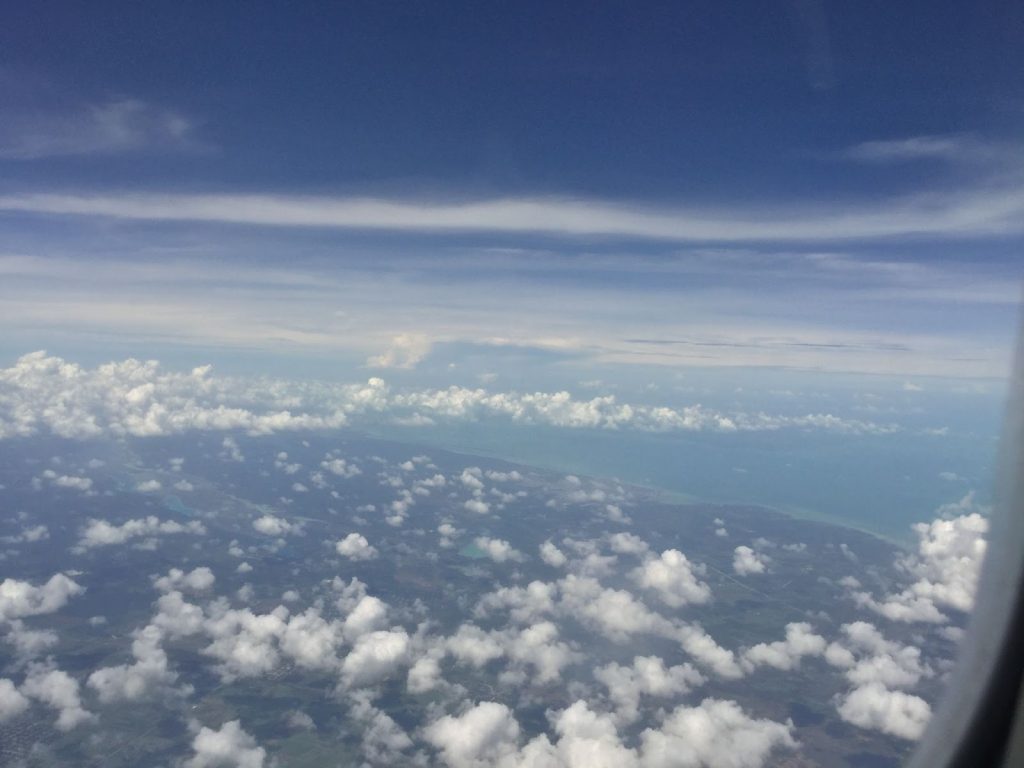
To begin with, being Australian, getting to Belize takes a very long time. Around 24 to 30 hours, depending on layovers. We first had to fly to the United States, Houston or Dallas, which takes around 17 hours. Then it’s another 5-hour flight to Belize City.
Belize is a tiny Caribbean country on the north-eastern coast of Central America. It’s bordered by Mexico to the north and Guatemala to the west and south. Belize is a Commonwealth country that achieved independence from the United Kingdom on 21 September 1983. Because it’s primarily English-speaking, part of the Commonwealth (like Australia), and conveniently nestled neatly in the Caribbean, it seemed like a logical choice. We also believed that the culture shock would be minimal.
Belize is small with a total area of 22,970 square kilometres. Yet it’s not densely populated. In 2022, its total population was still under 400,000 (official 2022 figures showing 397,483).
Reconnaissance Trip: February 2018
During our initial reconnaissance trip, we drove through parts of the country. When you enter Belize by air, you land at the Phillip Goldson International Airport in Belize City. We spent two days in Belize City, staying at an older-style hotel on the ocean, which had an old British Empire vibe. In the following days, we drove to San Ignacio in the interior of the country.
San Ignacio is delightful. It feels like an Amazon rainforest and is prone to morning fog, which can be breathtaking. There are lots of mosquitoes, and you can’t sleep there with open windows without insect screens. One of the biggest-selling items in supermarkets is insect repellent and bug spray.
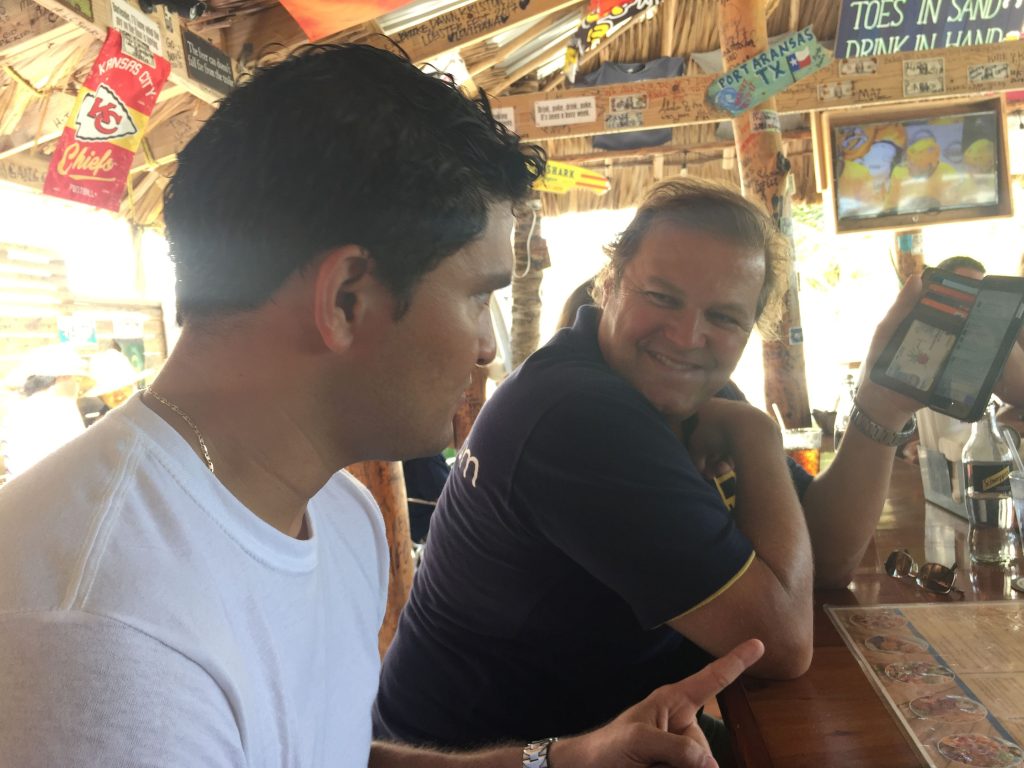
We also took a boat over to the popular tourist destination, Ambergris Caye (San Pedro), which is very crowded, with a spring break vibe. Because we could see that Ambergris Caye was really a party town, it wasn’t really a place we wanted to settle and work. We suspected that Placencia would be a better choice for us.
Safety Comparison: Placencia vs. Ambergris Caye
By way of background, both Ambergris Caye (San Pedro) and Placencia are generally safe destinations with low crime rates compared to mainland Belize. However, petty theft—including bag snatching, muggings, and bike theft—remains the primary concern in both locations, particularly at night or when items are left unsecured. While we were staying at Ambergris Caye, one of our neighboring hotel guests had her laptop stolen overnight.
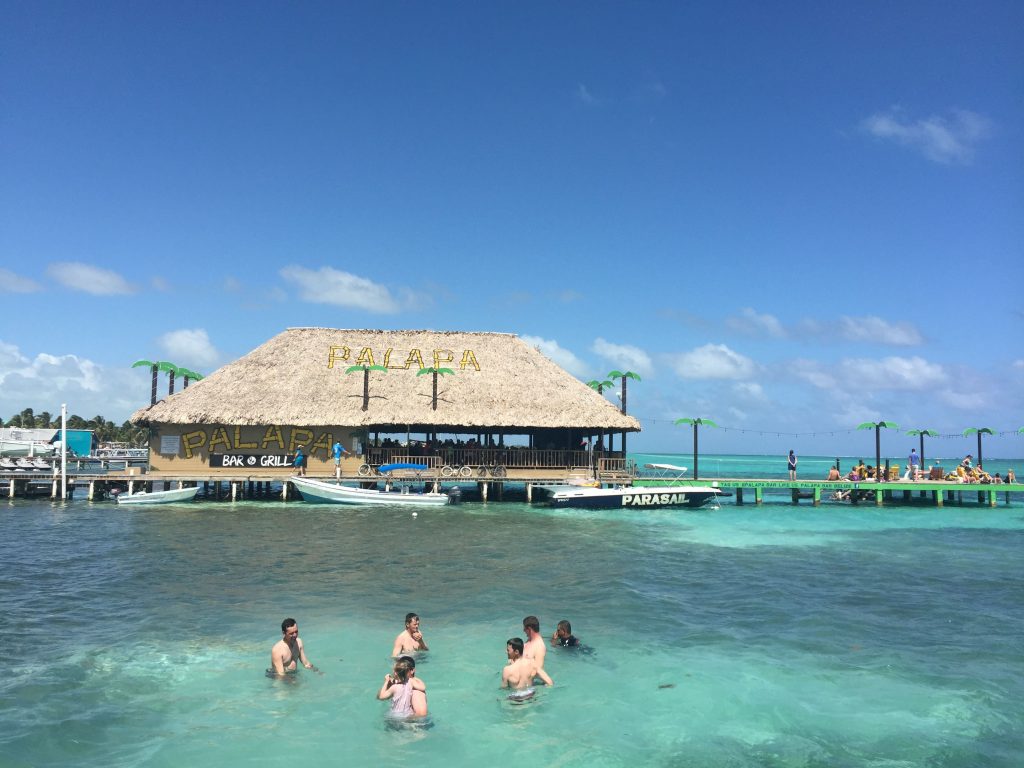
Ambergris Caye offers a busier, more party-oriented atmosphere with developed tourism infrastructure and active nightlife. This can create more opportunities for petty crime like burglaries and theft from resorts or golf carts, especially in less-lit areas after dark. Placencia, by contrast, maintains a tranquil, slower-paced village feel with a tighter community and noticeably less petty crime. Violent crime rarely targets tourists in either location, making both viable options for digital nomads who exercise basic precautions.
Administrative districts in Belize
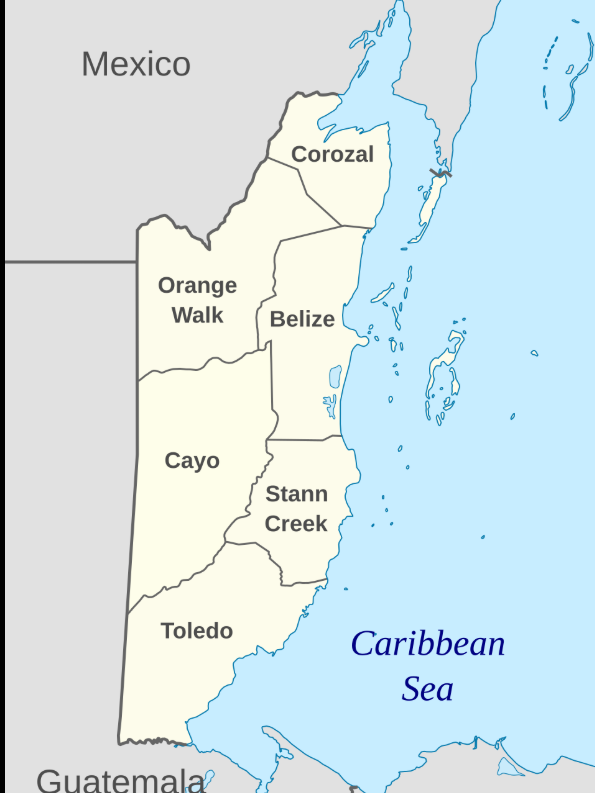
Belize is divided into six districts. Placencia, where we eventually settled, is in Stann Creek. We chose Placencia because it’s a sleepy fishing village right on the Caribbean Sea. It’s not as busy as the popular tourist destination Ambergris Caye, which is the largest island in Belize.
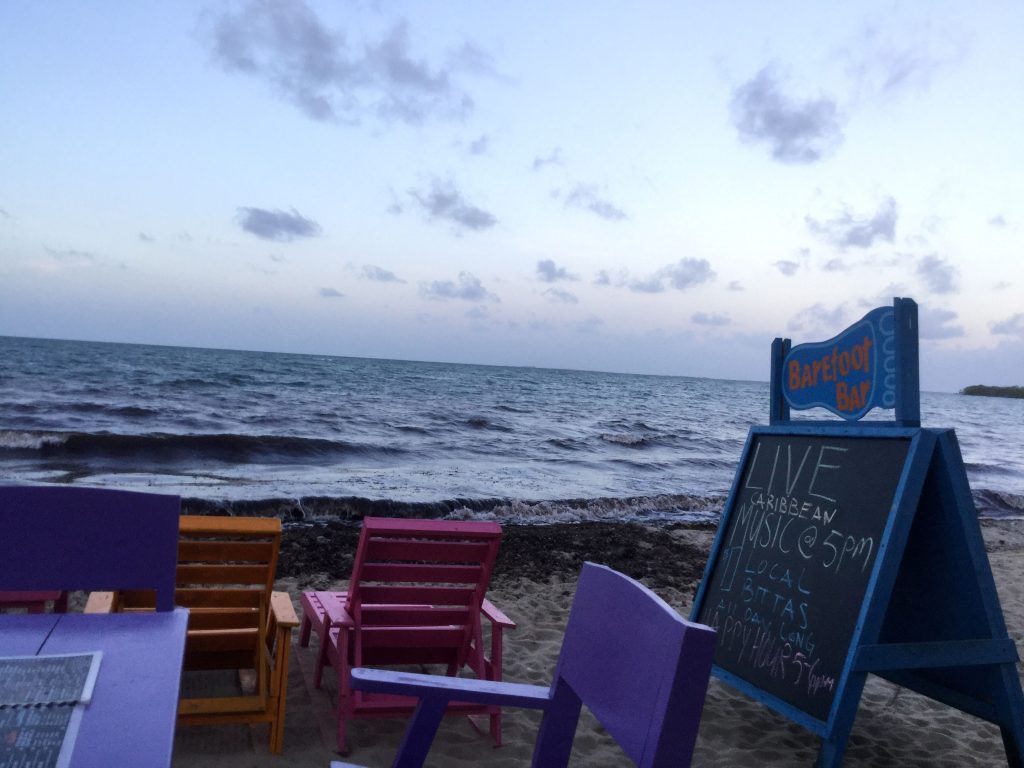
Placencia has a small population and a tight-knit expat community with relatively low crime rates compared to other parts of the country. It has fast internet and lots of places to rent, which were relatively inexpensive. It’s one of the most beautiful locations in the country and seemed like a logical and safe choice for us at that time.
Compared to Mexico, we found that Placencia had far fewer power and internet outages, making it easier for digital nomads. Placencia was, however, prone to water outages infrequently. Many aspects of Belize remain third-world in terms of infrastructure and other features, which expats need to consider before moving there.
Can Foreigners Work in Belize? Understanding the Legal Landscape
Despite this, Belize seemed like a good choice for Australians because it’s a Commonwealth country and English is widely spoken. Belize is the only Central American country where English is the official language. Other languages spoken are Belizean Creole, Spanish, and the Mayan languages. Legally, foreigners can work in Belize as long as they satisfy the immigration requirements.
We maintained legal status in Belize by renewing our tourist visas monthly—a straightforward process that allowed us to run our online business while living in Placencia. Each month, we took a boat from Placencia to the Immigration Office in Mango Creek (Independence), where we’d get our passports stamped and pay the visa renewal fee of US$50.
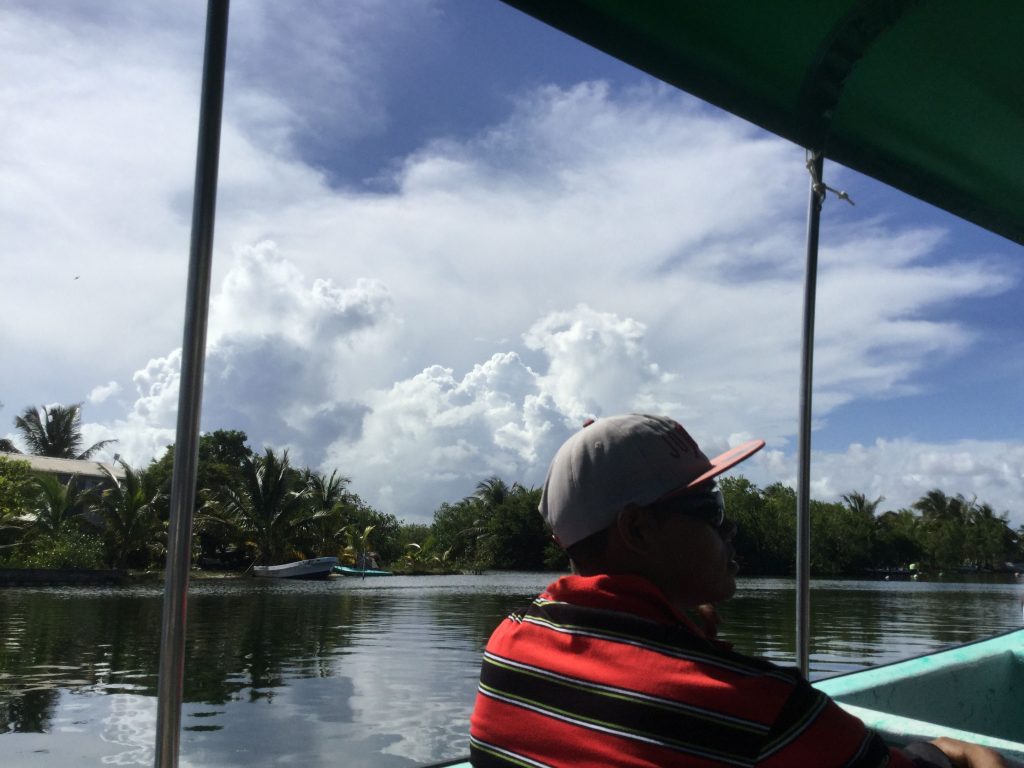
Since 2018, these costs have increased substantially. Monthly visa extensions now cost around BZ$200 (US$100 per person). While the tourist visa worked well for our six-month stay, anyone planning to settle permanently in Belize would need to follow the proper immigration pathway: first applying for temporary residency, then progressing to permanent residency, and eventually qualifying for citizenship if desired.
European Expats and Mennonite Settlers in Belize
White Belizeans comprise approximately 4.8% of Belize’s population, with the community including small numbers of settlers from Ireland, the United Kingdom, the United States, Canada, and Lebanon who came to support the country’s development. Historically, Irish settlers, along with migrants and Confederate veterans from Louisiana and other Southern states, played a significant role in establishing commercial sugar cane production in British Honduras, creating 11 settlements in the colony’s interior. However, this minority group represents less than one percent of the current population.
The largest white demographic in Belize consists of German-speaking Mennonites, who make up nearly 4 percent of the population. Over 13,000 Plautdietsch-speaking Mennonites live throughout the country, primarily in settlements such as Spanish Lookout, Shipyard, Little Belize, and Blue Creek. They farm the land and maintain their religious traditions.
The Mennonites at Spanish Lookout
We visited Spanish Lookout, and the Mennonites had a massive, almost Walmart-sized supermarket full of fresh produce. It was the best shopping experience in Belize. Most small supermarkets in Belize are small and quite expensive, selling only basic items. This was certainly the case in Placencia. There are now five different markets to choose from, discussed in more detail below. However, if you live in Placencia, you can certainly make the almost 3-hour driving trip to Spanish Lookout for more specialty grocery items. We did this a couple of times. You will need an icebox or refrigeration in your vehicle to keep dairy and/or meat items from perishing on the return trip.

The food and grocery items produced by the Mennonites were of high quality. There is an abundance of fresh food, meat, baked goods, and dairy of exceptional quality. In Spanish Lookout, the Mennonites also built some impressive roads with no potholes or speed bumps, unlike the Hummingbird Highway. It’s also proof that you don’t need government to create high-quality infrastructure.
The Mennonites in Belize – background
The Russian Mennonites are descendants of ethnic Germans who settled in the Russian Empire during the 18th and 19th centuries before migrating to Canada in the 1870s, then to Mexico between 1922 and 1925, and finally to Belize after 1958. The community represents a spectrum of conservative to modern groups. These range from very traditional Old Colony and Noah Hoover Mennonites to more contemporary groups like the Kleine Gemeinde and Evangelical Mennonite Mission Conference.
The Mennonite community maintains distinct linguistic practices, with Plautdietsch-speaking Mennonites using Low German dialect in daily life while employing Standard German for reading the Bible and formal writing. Most men from this group are trilingual, speaking German, Spanish, and English.
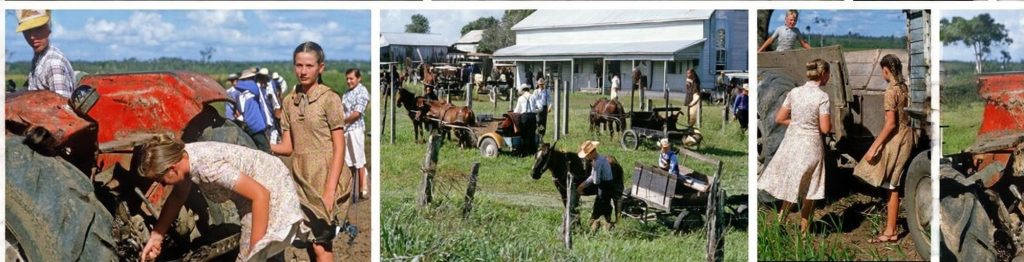
Additionally, Belize is home to more than a thousand Old Order Mennonites who speak Pennsylvania Dutch as well as English. This group arrived from the United States and Canada in the late 1960s. They established communities in Upper Barton Creek, Springfield, and surrounding areas, attracting members from various conservative Anabaptist backgrounds to form a distinct community that resembles Old Order Amish but maintains separate traditions.
Many of the expats living there are from the United States and, particularly, Canada. Belize is a popular retirement or holiday destination for Canadian snowbirds. This is because of the tropical climate with only two seasons: wet and dry seasons. The temperature year-round remains the same.
Supermarkets in Placencia
Placencia offers several small supermarkets primarily run by Belizean citizens of Chinese descent, though none compare to the massive Mennonite supermarket at Spanish Lookout. In Placencia Village, you’ll find Top Value Supermarket on the main road near the bank, known for being clean, organized, and reliable for everyday needs. Ming’s Supermarket in the village offers a good selection of alcohol, non-perishables, and limited fresh produce.
Everyday Supermarket is one of the larger options in the village with a wider range of goods, while AC Market and Wallen’s Market provide decent selections of essential items and staples in central locations. Just outside Placencia in Seine Bight (where we lived), Publics offers a solid selection and was our most convenient option for daily shopping. All these stores carry basic items you’d find in American or Australian shops, but with limited brand choices and higher prices on imported goods compared to what you’d pay back home.
Weather and the Caribbean lifestyle
Belize’s subtropical climate is one of the biggest drivers for digital nomads seeking to move there. This is particularly true for Canadians fleeing their long, harsh winters.
Belize has only two distinct seasons: the dry season from November to April, and the wet season from May to October. Placencia has warm temperatures year-round, typically ranging from 75°F to 86°F (24°C to 30°C), with cooling sea breezes that make the heat more bearable for residents and visitors. We used our air conditioning most of the time. Air conditioning is the biggest contributor to your monthly electricity bill. You can minimise this somewhat by using ceiling fans or portable fans.
The Placencia peninsula receives an average of 160 inches of rain annually. The wettest months occur between June and November. This also coincides with the Atlantic hurricane season.
While Belize sits within the hurricane belt and can experience tropical storms and hurricanes during this period, direct hits are relatively infrequent. The dry season, particularly from February through April, offers the most pleasant weather with minimal rainfall, lower humidity, and abundant sunshine, making it the peak season for tourism and an ideal time for digital nomads seeking comfortable working conditions. However, even during the rainy season, heavy rain will often arrive in short, intense afternoon bursts rather than all-day downpours, allowing for productive work mornings and outdoor activities once the rain passes. In our time there, we experienced some ferocious tropical storms with heavy rain.
Internet connectivity and digital infrastructure
After relocating to Placencia, we established mobile phone accounts with Belizean numbers and set up internet service, though I can’t recall the specific provider. The internet speeds were surprisingly good, and the pricing seemed comparable to what we’d paid in Australia, so costs weren’t a concern during our stay. However, we encountered significant difficulties when attempting to disconnect our mobile phone accounts after leaving Belize. Our provider continued billing us even after we’d moved to the United States, and we found the customer service experience frustratingly unprofessional and difficult to resolve, giving the impression of third-world business practices. Additionally, our Belizean phones had no roaming capabilities, which limited their usefulness for travel outside the country.
This may have changed since 2019. It’s worth noting that the telecommunications landscape may have improved considerably since our 2018-2019 experience. Belize Telemedia Limited (BTL), operating under the Digi brand, now serves as the nation’s primary telecommunications provider with approximately 32,000 fixed telephone line contracts and around 190,000 GSM mobile customers.
As part of the Government of Belize’s National Digital Agenda 2022–2025, BTL has expanded its infrastructure to offer high-speed broadband services with speeds up to 200 Mbit/s, 4G LTE mobile coverage, and digital television through DigiTV. The company has also introduced bundled service packages under the DigiONE brand, combining internet, mobile, and television services for both residential and business customers, suggesting a more modern and integrated approach to telecommunications than what we experienced during our time there.
Cost of living
One of the first things we noticed after moving to Placencia was that imported goods and electricity are expensive. Two litres of milk cost US$5 from the local market. The Belizean dollar is pegged to the US dollar, so two Belizean dollars equals one American dollar. This makes it easy to calculate your expenses.
In 2018, monthly rent was around US$600, and we lived in a small timber Amish house on stilts. We had a carport underneath for our Jeep. Our house was in the village of Seine Bight, just outside Placencia, and only a two-minute drive to the village and walking distance to the sea.
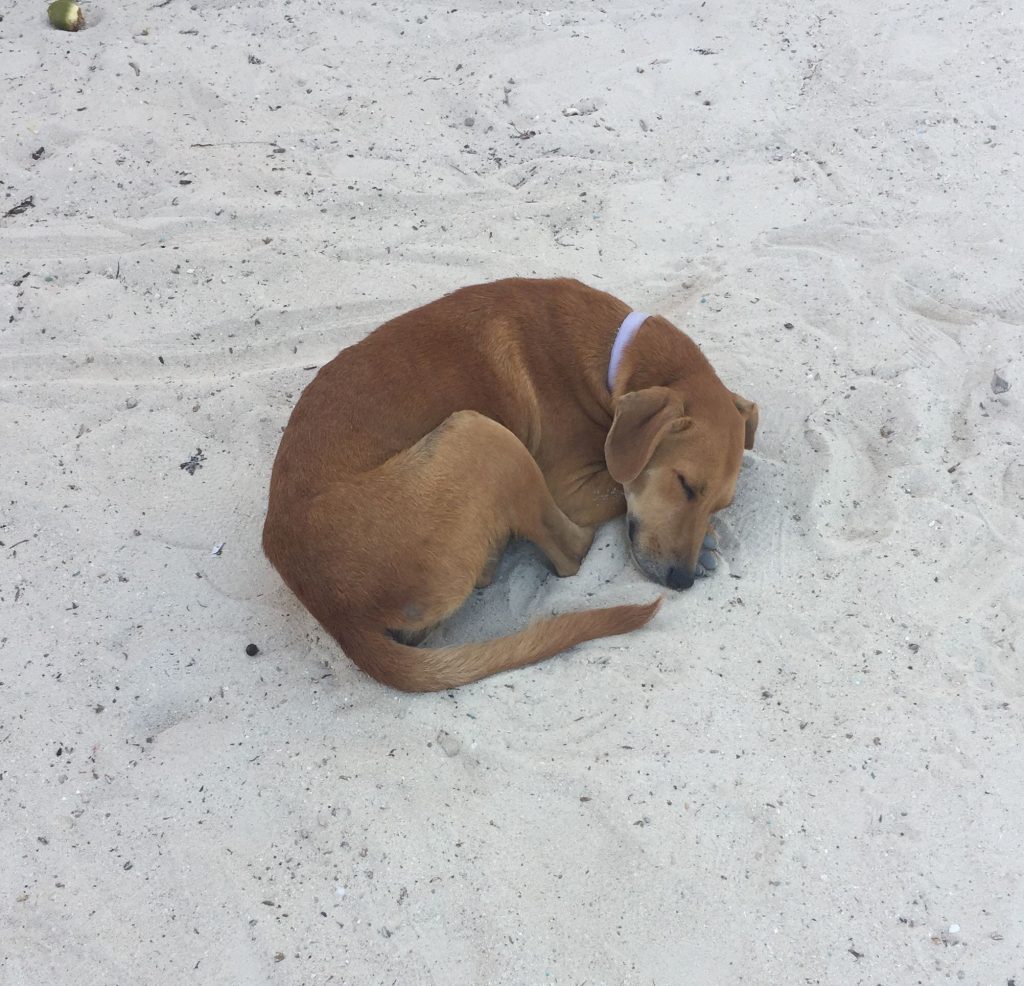
Two stray dogs were attached to the property (serendipitously), and we fed them, and I named them Castor and Pollux. They were typical Belizean dogs. They would follow us to the beach on our walks. We also had neighboring raccoons who would visit and furtively grab handfuls of the dogs’ dry food and scurry off into the night.
Monthly budget for a couple
When we lived in Placencia from August to December 2018, our total monthly expenses were approximately $1,800-$2,000. However, in 2026, the monthly budget for a couple would be around US$2,500, broken down as follows:
- Rent for a two-bedroom apartment – $900-$1,200.
- Utilities (electricity, water, and garbage collection) are around $350.
- Groceries are around $500 a month.
- Cable TV, streaming services, and internet – $85.
- Mobile phones for two people – $50.
- Dining, petrol, and miscellaneous – around $300.
Our landlord was a kind and very helpful German-Australian, and we paid our rent to him monthly. He was a great guy and very easy to deal with. He and his wife had been living in Placencia for several years and had become permanent residents. When we first arrived in Placencia, they took us out to dinner and explained how everything worked and useful life hacks for Belize. They both worked in hospitality and had real estate interests.

Most of the expats in Placencia were middle-aged or retired, but they are youthful and energised. It was a close-knit community, and they blended well with the locals living there.
Electricity costs
Belize has Central America’s most expensive electricity. Our nearly three years in Acapulco, Mexico, showed us that rent and internet costs were slightly lower there. Although electricity in Acapulco was also overpriced (like most of Mexico) and likely comparable to Belize. Both Acapulco, Mexico, and Placencia, Belize, were prone to power outages. Acapulco, on reflection, was more unreliable.
Daily Life in Placencia: Ocean Swims, Fresh Fish, and Caribbean Adventures
We swam in the ocean every day in Placencia in a small bay. The water is always lukewarm, and it’s a beautiful location. We would buy fresh fish from the local fishermen when they returned with their haul in the evenings.
We would go for drives on the delightfully named Hummingbird Highway.
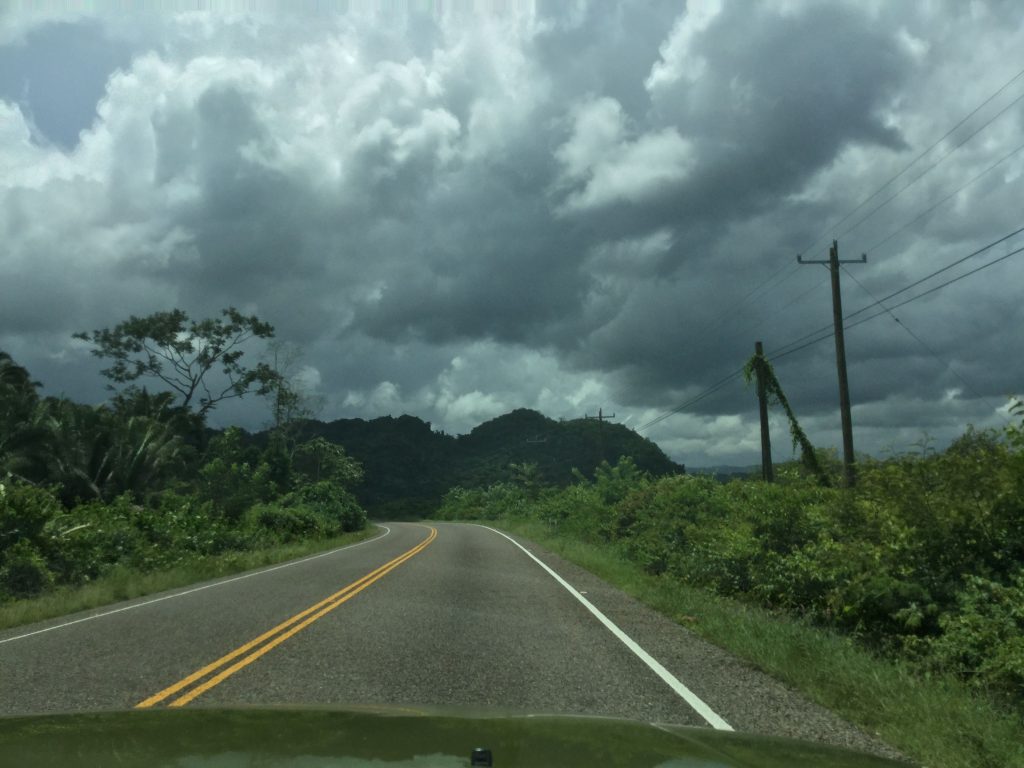
This major road takes you to Belmopan and to Belize City or further north. Belize has a rich variety of wildlife. There are more than 5,000 species of plants and hundreds of species of animals, including armadillos, snakes, monkeys, and jaguars. There are also scorpions.
The Placencia Humane Society
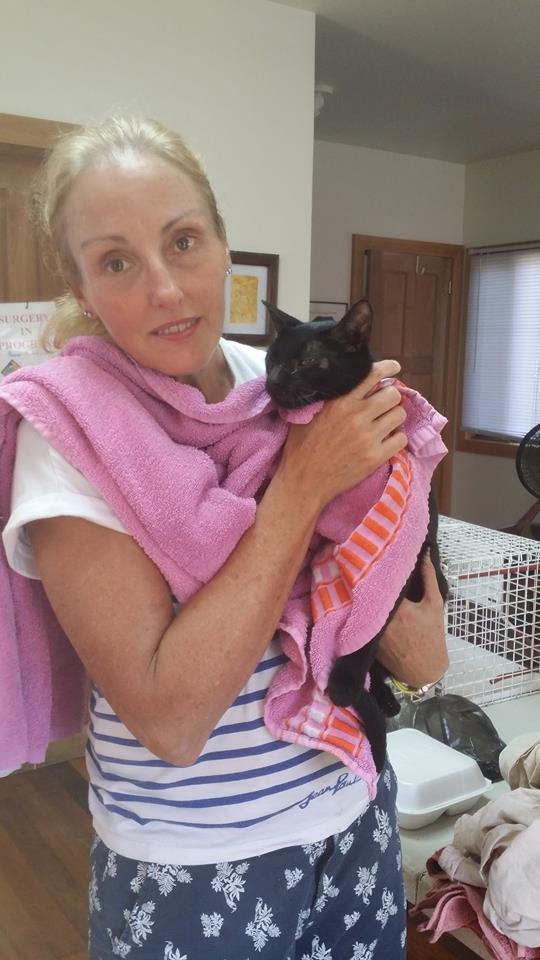
When we lived in Placencia, we volunteered with the Placencia Humane Society. This is a wonderful group of locals and expats dedicated to helping lost, injured, and stray animals. They also perform regular desexing of local cats and dogs to minimise the problem of unwanted stray, neglected animals.
At one point, I fostered about 10 kittens who were only two weeks old. They needed to be bottle-fed kitten milk at regular intervals. Miraculously, we found the mother of these kittens and reunited her with them.
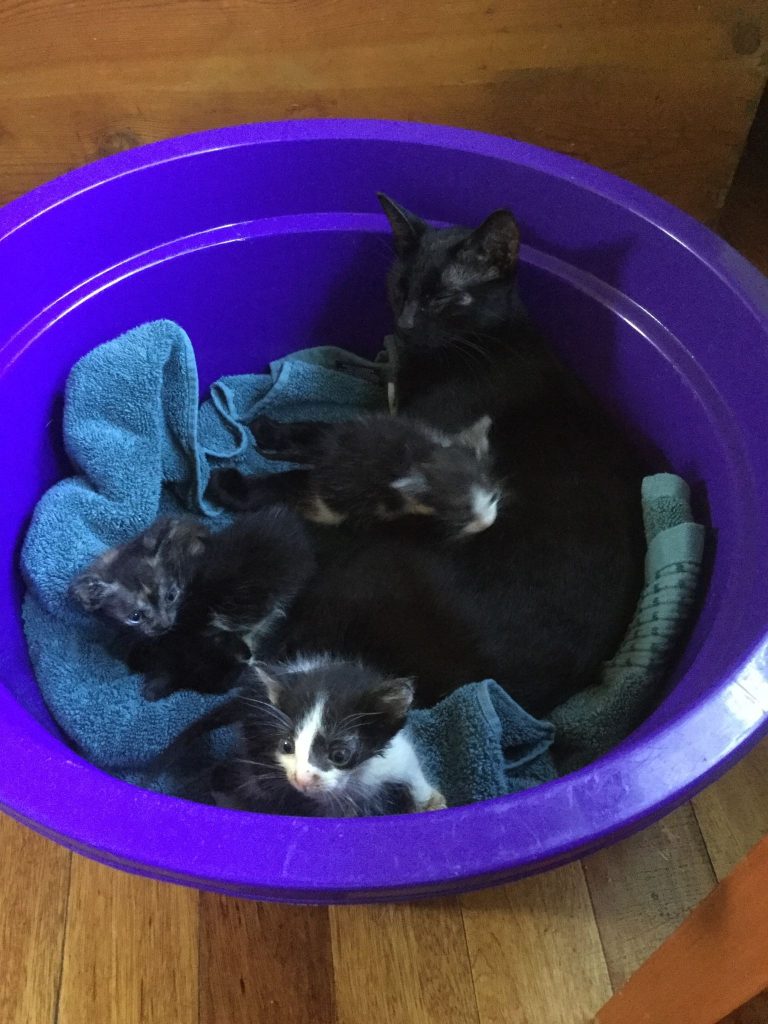
Of the ten I had fostered, eight survived. When we found the black cat mother, we got her desexed at the Placencia Humane Society. We were able to rehome all the kittens a month or so later.
Nearby Places to Visit
We visited the Cockscomb Basin Wildlife Sanctuary, which is a nature reserve not far from Placencia (30 kilometres). The drive from Placencia only took 30 minutes, travelling along the Southern Highway from the peninsula.
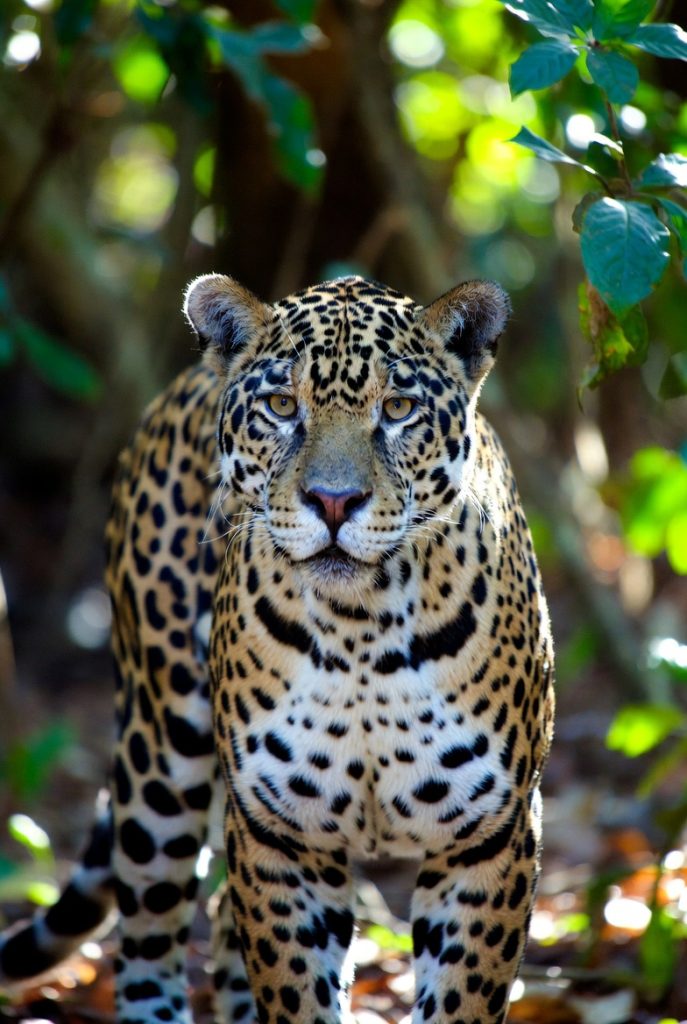
This wildlife sanctuary was established in 1986 as the world’s first protected area specifically dedicated to jaguar conservation. We had hoped to see jaguars. We didn’t because they are shy and don’t particularly welcome contact with humans. Nonetheless, the Cockscomb Basin Wildlife Sanctuary is a truly magical place and definitely worth visiting.
History and Mayan ruins
There are also Mayan ruins scattered throughout Belize. We visited some near San Ignacio (Cahel Pech) and some not far from Placencia.
Belize offers exceptional access to ancient Mayan ruins, and while Placencia sits in the southern coastal region, several remarkable archaeological sites are within reach. The closest ruins are Nim Li Punit and Lubaantun, both located in the Toledo District south of Placencia.
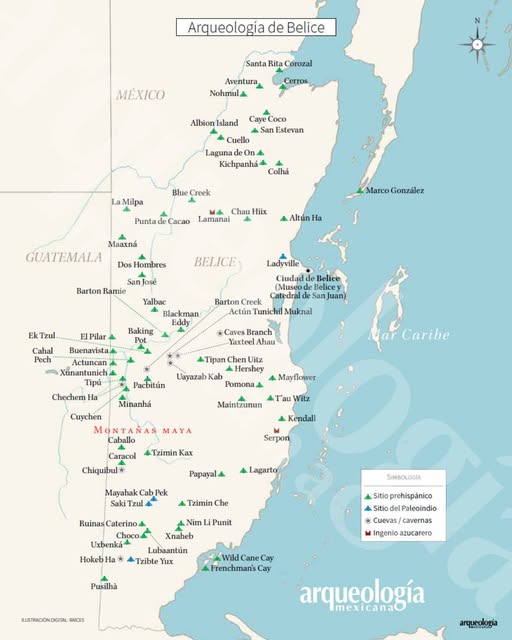
Nim Li Punit is renowned for its impressive stellae—intricately carved stone slabs that tell stories of Mayan rulers and cosmic events—along with a well-preserved ball court where ceremonial games once took place. Lubaantun stands out for its unique construction style, built entirely without mortar using precisely cut blocks, and gained modern fame through its association with the controversial Mitchell-Hedges crystal skull, allegedly discovered at the site in the 1920s.
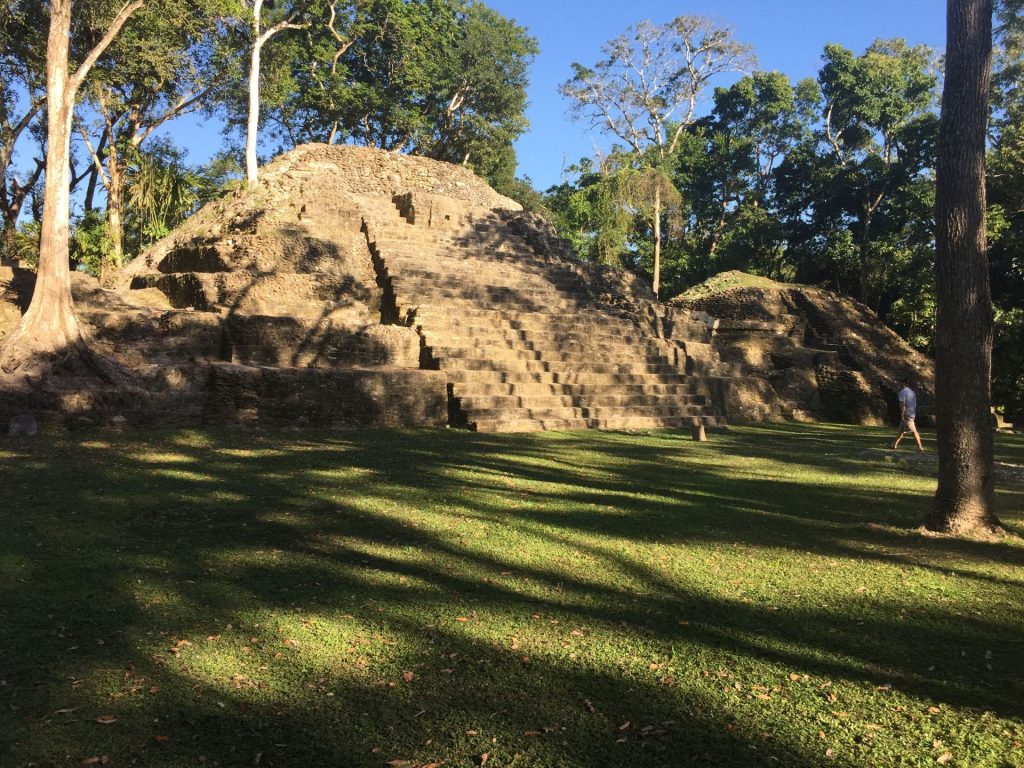
If you want to travel inland, the more spectacular Mayan cities make for unforgettable day trips from Placencia. Xunantunich, near San Ignacio, features the towering El Castillo pyramid, which offers breathtaking panoramic views of the surrounding jungle and even into Guatemala. You can get there via a charming hand-cranked ferry crossing the Mopan River – which we did.
Caracol, Belize’s largest Mayan site hidden deep in the Mountain Pine Ridge jungle, houses Caana (Sky Palace), the country’s tallest man-made structure at 43 meters, rising above the rainforest canopy. Tour operators in Placencia regularly organize excursions that combine visits to archaeological ruins with activities like cave tubing or waterfall swimming.
Healthcare and essential services in Placencia
While we were living in Placencia, I visited both a local doctor and a dentist for minor treatment. I found the local doctor at his clinic, which was Placencia Medical Services. I also visited a local dentist (the Tooth Fairy Dental Clinic) for a filling. In both cases, I received excellent, professional care and advice, and the cost was reasonable. Both the doctor and dentist received their training in the United States.
Many businesses in Placencia and throughout Belize don’t have their own websites. Instead, they have a Facebook page where you can find information about their services. This, combined with word-of-mouth recommendations from locals, is really all you need.
Emergency medical services exist in Placencia through the public polyclinic, which has an ambulance for basic care and transport, though capacity and quality are limited. Serious medical emergencies typically require rapid transport to hospitals in Belize City or air evacuation to facilities in the United States.
Private services like Southern Emergency Services (SES) near Hopkins offer faster response for the northern Placencia area. Given these limitations, comprehensive travel insurance with medical evacuation coverage is essential for digital nomads living in Belize, as local emergency care may not meet the standards of developed countries.
If you are living in Belize longer term, it’s worth researching medical insurance. If you become a citizen, there may be some sort of healthcare available. Belize is a great place to stay healthy because of the abundance of fresh food and the tropical climate. However, if you have any type of serious medical condition, you need to be able to manage your care requirements, medication, and surgery needs (if applicable). This may include travelling back to the United States or your home country for more serious medical care or surgical needs.
Final thoughts
We both have very happy memories of our brief time living in Placencia, Belize. The local community—both expats and Belizeans—were wonderful, kind, caring people. The location is truly magical. Its tropical climate and warm Caribbean waters create an idyllic setting for remote work and daily life. We swam in the ocean every day and had permanent healthy tans.
While Belize ultimately wasn’t the right fit for us at that time because of our personal circumstances, our six months in Placencia taught us valuable lessons about what we needed to flourish in a digital nomad location. The experience directly informed our later, more successful relocation to Mexico, where we stayed for nearly three years.
For digital nomads considering Belize, I’d recommend visiting first to see if the slower pace, tight-knit expat community, and Caribbean lifestyle fits your priorities. Placencia offers a healthy lifestyle, reliable internet, stunning natural beauty, and a safe environment. If you value English-speaking communities, easy visa renewals, and pristine beaches, Placencia is worth exploring as a base for remote work.
If you have any questions about digital nomad life in Belize? Drop them in the comments below—I’m happy to share more details from our experience.